
-
 Zanjan abhar
 -
 09143821891
 -
 management@zarkaranmine.com


Gold and copper mining
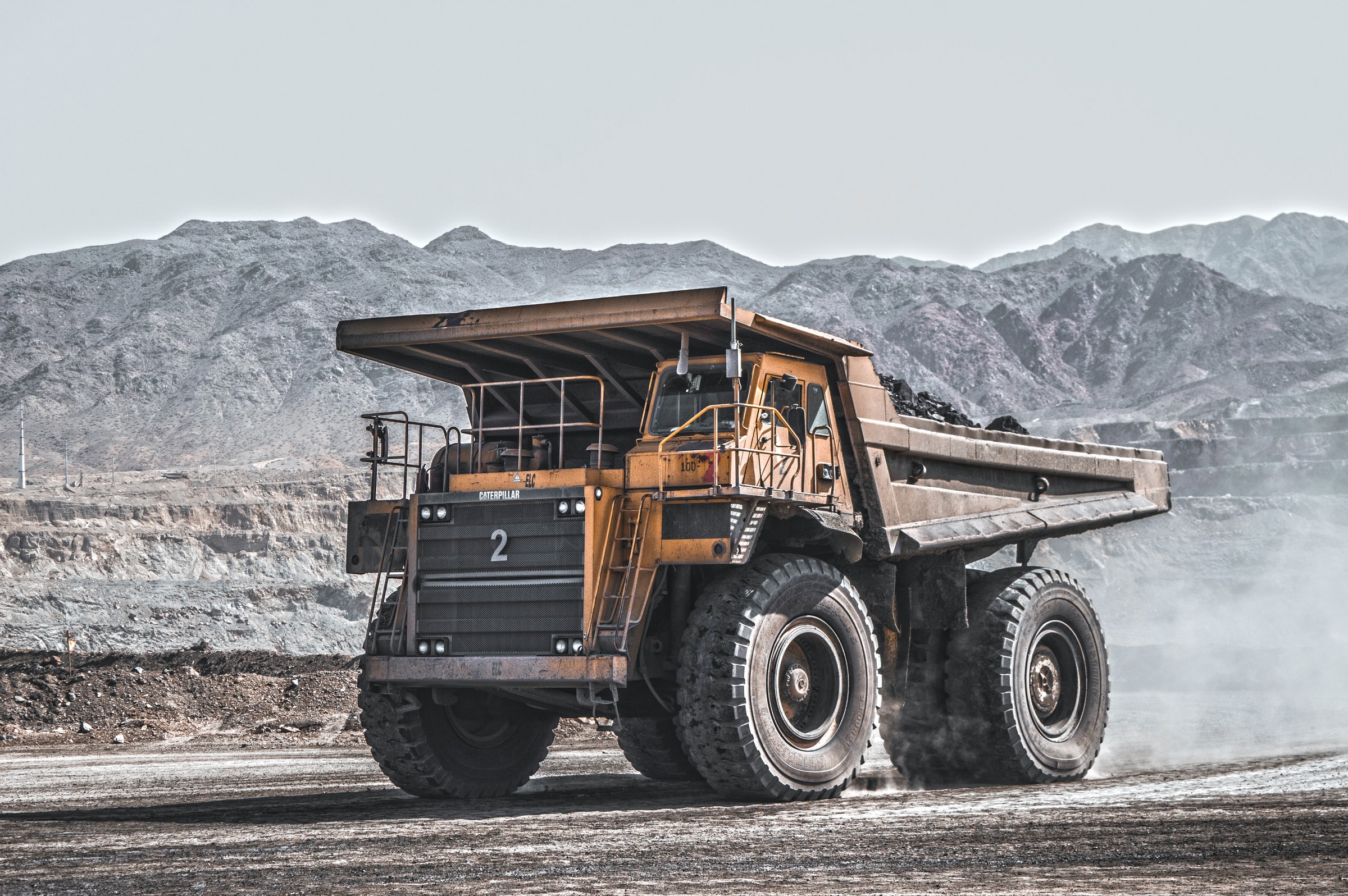
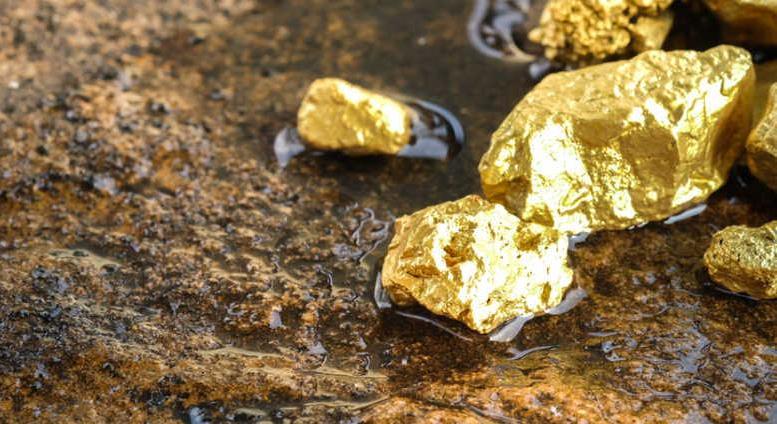
Mineral extraction includes the stages of exploration, drilling, extraction, crushing and preparation, separation and screening, processing, recycling and waste management. In the exploration phase, the location and mineral deposits are identified.
Mineral extraction
Mineral extraction includes the stages of exploration, drilling, extraction, crushing and preparation, separation and screening, processing, recycling and waste management. In the exploration phase, the location and mineral deposits are identified, then the resources are accessed by drilling. The extracted minerals are then crushed and ground and separated through physical and chemical methods in the separation and screening stage. In the processing stage, the separated minerals are further processed and industrially exploited. The leftovers and residues are then properly managed and may be recycled. Mineral extraction is done in order to exploit mineral resources and produce economic products.
Gold and copper extraction are two separate processes and different methods and processes are used to separate these two metals. In the following, we will describe each one.
Gold mining:
Gold extraction from mines is usually done through surface and underground methods.
In the surface method, ore is crushed and ground, and then, using mechanical and chemical separation methods, gold is separated from other mineral particles.
In the underground method, the mine is accessed using drilling and tunneling methods, and then the mine is crushed and milled. Chemical separation methods such as cyanidation are also used to separate gold. After separating the gold, it should be purified and obtained in pure form.
Generally, there are three main methods for gold mining
cyanidation
flotation
Granulometry (gravity separation)
Cyanidation method:
The cyanidation method in gold mining works like this: First, gold-bearing rocks are crushed to become smaller. Then water and chemicals such as sodium cyanide and hydrogen peroxide are added to these stones and everything is mixed together. This mixture forms a gold cyanide solution.
Then this gold cyanide solution flows in a system of pipes. In this process, the gold particles in the gold cyanide solution react with it and bind to it as gold ions (Au-).
After that, the gold is separated from the cyanide solution. One of the common methods is to use activated charcoal. Gold cyanide solution passes through activated carbon and gold particles are attached to it. Then these gold particles are transferred to special separation devices and the gold is separated from the coal.
Finally, the gold that has been separated needs to be purified and purified in order to separate it from any pollution and other impurities and obtain it as pure gold.
Flotation method:
The flotation method in gold mining separates gold from other mineral particles by using the interaction between gold and air bubbles in a chemical solution. In this process, gold-bearing rocks are crushed and placed in a solution. By creating air bubbles in the solution, the gold particles stick to the surface of the bubbles and rise to the top, while other mineral particles are dragged to the bottom of the solution. Finally, the gold is separated from the bubbles and collected. This method is used in the gold mining industry due to its high separation ability and efficiency in separating gold from other materials.
Granulometric method:
The granulometric method is one of the methods used in gold extraction, which separates gold particles and other mineral particles based on the size difference. In this method, first the stones containing gold are crushed and then the size of the particles is determined by a granulometer. By doing this, gold particles of a specific size that can be separated are selected.
After sorting, the gold particles are separated into the right size and can be collected separately. This separation can be done using filters and other separating devices.
The granulometric method is used as an effective and widely used method in the gold mining industry due to its ability to separate based on particle size and efficiency in separating gold from other mineral particles.
Copper extraction:
The copper extraction method consists of several steps. Initially, ores containing copper are extracted from the mine. The rocks are then ground into smaller particles. In the next step, the copper particles are separated and the concentration of copper in the solution increases. Then, the molten copper is poured into the copper pool. In the next steps, the copper is refined and the pollutants are removed from it. Finally, the copper goes to scrapping processes and the final product is sent to the copper mining and metallurgical industries.
In general, there are three main methods for copper extraction
Direct melting or reduction method
Condensing or matte preparation method
Extraction using bacteria
Direct melting method or reduction method:
The direct smelting method or the reduction method in copper extraction is that first the ore containing copper is crushed and made into powder or small balls. These materials are then placed in smelting furnaces and at very high temperatures, the ore melts and forms molten copper.
After melting, the stage of separating pollutants takes place. Using separation processes, contaminants are separated from the molten copper and the copper is refined to increase its purity.
Finally, the refined copper goes to scrapping processes. These processes include casting copper in different molds, electrolysis process and final casting of copper.
The use of direct smelting method or reduction method in copper extraction is common in copper mining and metal prospecting industries due to its high efficiency and performance in producing pure copper.
Condensing or matte preparation method:
The matte preparation method in copper extraction is a step that is performed before copper melting, and its main purpose is to separate copper from other minerals and combine it with other elements. In this method, first, minerals containing copper are extracted
They dissolve to become smaller particles. Then these particles are mixed with other minerals such as silica, iron and sulfur to obtain a concentrate called a concentrate mixture. In the next step, the concentrate is purified using various processes such as flotation, screening and magnetization, and the concentration of copper in the solution increases significantly. Finally, this concentrated solution along with other oxides, silica and feldspar reaches the input furnace and is placed at high temperature. At this temperature, the solution containing copper and other mineral compounds becomes opaque. This matte contains copper sulfide and other mineral compounds that lead to the preparation of raw copper in the next steps.
Extraction method using bacteria:
The copper extraction method using bacteria is an innovative and sustainable method based on the ability of bacteria to feed on mineral compounds found in copper-containing ores.
In this method, copper-containing minerals are first ground to be divided into smaller particles. Then, special bacteria that are able to feed on the mineral compounds in the ore are selected and prepared. A solution containing bacteria, necessary foods and suitable conditions for bacterial growth is prepared.
In the next step, the prepared mineral stones are combined with the bacterial solution and undergo bacterial process in the conditions where the bacteria are able to feed on the mineral compounds present in the mineral stone. In this process, bacteria convert mineral compounds into their feed and copper is concentrated in the bacterial solution.
After the completion of the bacterial process, the bacterial solution containing copper is separated and steps such as synthesis or electrolysis are carried out to obtain copper as a final product.
Copper extraction using bacteria, in addition to reducing costs and reducing environmental pollution, has other advantages such as increasing productivity and the ability to extract other mineral elements from ores.
Conclusion:
In this article, we got acquainted with the methods of extracting minerals and continued to introduce the general methods of gold and copper extraction